
How to Break the Current Deadlock in Nagorno-Karabakh Conflict Resolution: Strategic Dialogue on the Peace Process within a Boosted Peace Context?
2020 Research Digest, edited by George Vlad NICULESCU, EGF Head of Research
The 2020 European Geopolitical Forum Research Digest aimed to explore the resilience of the Nagorno-Karabakh (NK) peace process driven by the implementation of the Madrid/Basic Principles, and the increased relevance of the peace context, created by various initiatives aiming to incentivize peaceful conflict resolution. It consists of three research papers drafted by distinguished Armenian, Azerbaijani, and Russian experts, who have been invited to respond generic questions such as: Are the Madrid Principles really dead? Why haven’t they been implemented so far? What are the Armenian perceived downsides of the Madrid Principles as the most plausible option for the Karabakh conflict resolution? Why does Azerbaijan support the Madrid Principles, and why does Baku believe they could still lead the way to a breakthrough in the peace process? What structural, institutional, conceptual, or operational changes could unblock the NK peace process, while taking advantage from a much needed boost of the peace context? READ MORE
Expert Peer-Review
 By Alan Whitehorn, Professor Emeritus in Political Science, The Royal Military College of Canada
When there is so much shelling and yelling in the South Caucasus conflict over Nagorno-Karabakh, it is helpful to read a collection of thoughtful essays by knowledgeable authors from several differing countries and perspectives that appeared in The European Geopolitical Forum. Each piece is a welcome contribution, but nevertheless has key gaps and issues. I will comment on each in the order in which they appear. READ THE REVIEW
- EGF Editor |
Published on EGF: 30.09.2020
| Security
-
Escalation on the border between Armenia and Azerbaijan: Possible reasons and implications  By Khayal Iskandarov Ibrahim, PhD, and Associate Professor Sadi Sadiyev Saleh, War College of the Armed Forces, Republic of Azerbaijan
In July 2020, the most recent escalation on the border between Armenia and Azerbaijan brought the so-called “frozen” Nagorno-Karabakh conflict to the spotlight again. However, this time the skirmish occurred not in Nagorno-Karabakh, the occupied territory of Azerbaijan, but in another area, which is an official border far away from Nagorno-Karabakh. The first question which comes to mind is: Why Tovuz, and not Nagorno-Karabakh? READ MORE.
- EGF Editor |
Published on EGF: 06.08.2020
| Security
-
Escalation along Armenia – Azerbaijan Border: Key Reasons and Possible Scenarios  By Benyamin Poghosyan, PhD, Chairman, Center for Political and Economic Strategic Studies
On July 12, Azerbaijani forces attempted to take over an Armenian post along the Northern part of the Armenia–Azerbaijan international border. Repelled by the Armenian units, they turned to cannon shelling and the extensive use of UAVs. After two days of active clashes, the situation was calm on July 15, when new, albeit unsuccessful, attempts to seize Armenian positions were made on early morning of July 16. While five days of hostilities did not bring significant changes on the ground, it might be useful to understand the key reasons behind these recent military activities, as well as to assess possible scenarios for the future. READ MORE
- EGF Editor |
Published on EGF: 22.07.2020
| Security
-
Trends and Factors Contributing to the July Border Clashes Between Azerbaijan and Armenia  By Fuad Shahbazov, Baku-based independent regional security and defence analyst
On July 12, the Azerbaijani border region of Tovuz and the Tavush region on the Armenian side became the new epicentre of clashes between the armed forces of the two states, with the involvement of heavy artillery and unmanned aerial drones. The intensive exchanges of fire resulted in the deaths of over a dozen military personnel and the destruction of local infrastructure on both sides. On July 14, Azerbaijan’s Ministry of Defense notably confirmed the deaths of Major General Polad Hashimov and Colonel Ilgar Mirzayev as a result of artillery shelling by Armenian military units. READ MORE
- EGF Editor |
Published on EGF: 22.07.2020
| Security
-
Establishing Joint Armenia–China Peacekeeping Training Center in Armenia By Benyamin Poghosyan, PhD, Chairman, Center for Political and Economic Strategic Studies
Peacekeeping operations are one of the key domains of international relations. They play a paramount role in securing stability and fostering international cooperation. Currently, fourteen peacekeeping operations around the globe are led by the UN Department of Peace operations. Several other international organizations are involved in peacekeeping missions, but the UN is the ultimate authority in this sphere. READ MORE
- EGF Editor |
Published on EGF: 14.07.2020
| External Relations
-
Why is Lavrov Pushing for a Karabakh Agreement? By Benyamin Poghosyan, PhD, Chairman, Center for Political and Economic Strategic Studies
As the world mobilizes to combat the COVID - 19 it sometimes appears that the pandemic has stopped geopolitics. Many urgent topics of international relations have been put aside. However, sooner or later the world will return to normality, and the old problems will re-emerge. Coronavirus has not decreased US - China rivalry, to the contrary the Post COVID-19 world will likely be characterized by a growing confrontation between China and the US. Among the problems waiting their turn to re-emerge in the geopolitical landscape in the post-Soviet space is the Nagorno Karabakh conflict. READ MORE
- EGF Editor |
Published on EGF: 30.04.2020
| Security
-
Presidential Elections in Karabakh: Background and Implications By Benyamin Poghosyan, PhD, Chairman, Center for Political and Economic Strategic Studies
On March 31, 2020 presidential and parliamentary elections were held in unrecognized Nagorno Karabakh Republic. Five parties entered the Parliament, while President was elected during the second round, on April 14. The winner of the Presidential campaign was Arayik Harutyunyan, who received 49 percent of votes during the first round and 88 percent during the second round. However, his main contender Masis Mayilyan de facto boycotted second round asking his supporters not to participate in the elections due to the COVID19 outbreak. READ MORE
- EGF Editor |
Published on EGF: 22.04.2020
| External Relations
-
Covid-19 Is an Important Test for Azerbaijani Unity 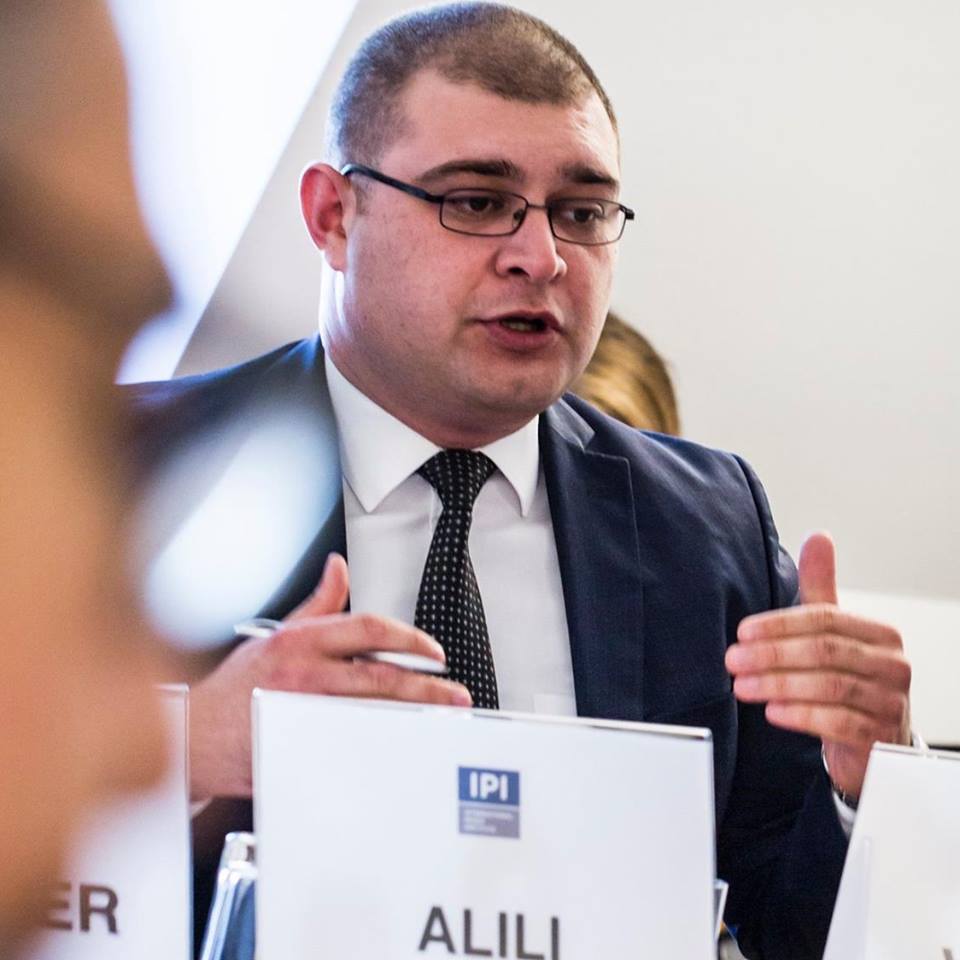 By Ahmad Alili, Head of Research, Caucasus Policy Analysis Center, Baku
The COVID-19 pandemic has created interesting qualitative and quantitative changes at the top of Azerbaijan's public agenda. Following the snap parliamentary elections in February, the newly elected Parliament, which includes a number of new faces, is tasked to address the challenges the country is facing. In a speech at the opening of the Parliament, President Aliyev sent clear messages to the public servants, political parties and youth. READ MORE
- EGF Editor |
Published on EGF: 15.04.2020
| External Relations
-
Will Armenia Withstand the Global Economic Turmoil? By Benyamin Poghosyan, PhD, Chairman, Center for Political and Economic Strategic Studies
The world economy has been in troubled waters since late 2018. The US – China trade war rattled the markets and triggered the significant changes in global supply chains. Many industrial giants were actively discussing the dislocation of production facilities from China to South East Asia nations such as Vietnam and Cambodia seeking to decrease the negative impact of the trade war.[…] However, the novel Coronavirus (COVID – 19) outbreak, which started in Chinese Wuhan city, has launched its seemingly unstoppable march around the globe since late January 2020. READ MORE
- EGF Editor |
Published on EGF: 26.03.2020
| Markets
-
Armenia and Azerbaijan: What’s Next After Bratislava? By Benyamin Poghosyan, PhD, Executive Director, Political Science Association of Armenia
On December 4, 2019, Armenian and Azerbaijani foreign ministers held their last meeting for this year on the margins of the OSCE Ministerial Conference in Bratislava. According to Armenian and Azerbaijani sources, the current stage of negotiations, the necessity of ceasefire consolidation and the implementation of confidence-building measures were among the key topics of discussion. The Foreign Minister of Armenia highlighted the modest achievement reached within the framework of the agreement on preparing the populations for peace, through the implementation of an exchange program for media representatives from Armenia, Artsakh and Azerbaijan. READ MORE
- EGF Editor |
Published on EGF: 10.12.2019
| Security
-




